

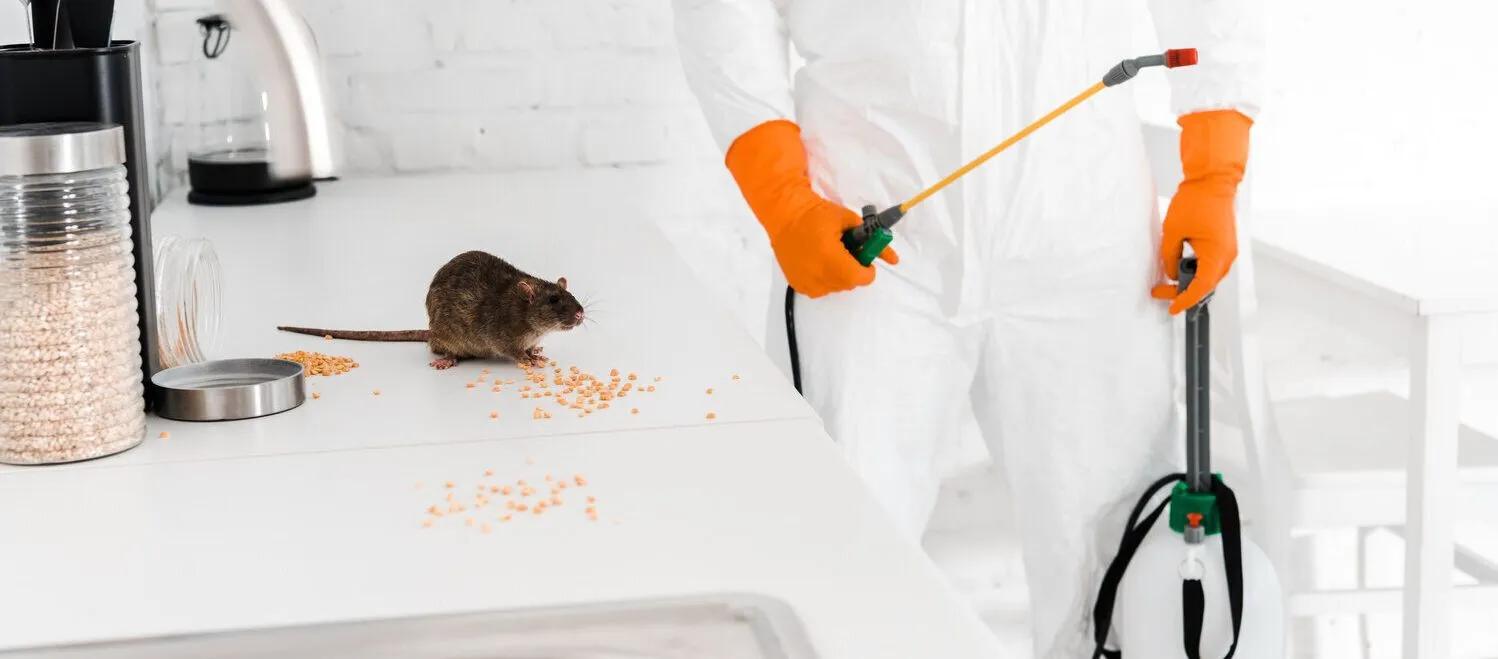
Mice are among the most common pests found in homes and businesses across Northeast Ohio, particularly as outdoor temperatures drop and rodents look for shelter indoors. A small mouse problem can grow quickly, since a single pair can produce dozens of offspring within a few months. Recognizing the early signs of an infestation makes it easier to address the problem before it spreads through walls, attics, and storage areas. The following signs are the clearest indicators that it may be time to contact mice exterminators in Cleveland for an inspection.
1. Droppings in Cabinets, Drawers, or Along Walls
Mouse droppings are one of the most reliable signs of an infestation. They are small, dark, and shaped like tiny grains of rice, and they tend to appear in areas where mice travel or feed, such as kitchen cabinets, pantry shelves, drawers, and along baseboards.
Where to Look
Droppings often collect near food storage areas, behind appliances, and inside cabinets that are rarely opened. Fresh droppings appear moist and dark, while older droppings dry out and turn a lighter gray color. Finding droppings in more than one location usually means mice are moving through several parts of the property rather than staying in a single spot.
Why It Matters
Mouse droppings can carry bacteria and other contaminants, which makes prompt cleanup and treatment important for both hygiene and health. A property with droppings in multiple rooms often has an infestation that reaches beyond what a homeowner can address with basic cleaning alone.
2. Gnaw Marks on Wood, Wires, or Food Packaging
Mice have teeth that grow continuously, so they gnaw on hard surfaces to keep them worn down and to create paths into food and shelter. Gnaw marks are often found on wood trim, cardboard boxes, plastic containers, and food packaging.
Structural and Safety Concerns
Beyond the mess, gnawed wiring is a serious safety issue. Mice that chew through electrical wiring inside walls or attics can create a fire hazard that is not always visible until the damage is severe. Property owners who notice chewed wires, damaged insulation, or holes gnawed through baseboards should treat this as a sign that a full inspection from mice exterminators in Cleveland is needed, not just a repair job.
Common Locations
Attics, basements, and areas around pipes or utility lines are common places to find gnaw marks, since these spaces often provide mice with both shelter and access points into the rest of the building.
3. Scratching or Scurrying Sounds in Walls or Ceilings
Mice are most active at night, which means many homeowners first notice a problem through sound rather than sight. Scratching, scurrying, or light scampering noises coming from walls, ceilings, or attics are common signs of rodent activity, particularly after dark when the rest of the house is quiet.
Distinguishing Mice From Other Pests
These sounds can sometimes be mistaken for squirrels or other small wildlife, which is one reason a professional inspection helps confirm what type of pest is actually present. A qualified rodent control Cleveland service can identify entry points and nesting areas based on where the sounds are coming from and how they are described.
When Sounds Indicate a Larger Problem
Consistent noise over several nights, rather than a single isolated sound, often points to an active nest rather than a mouse that wandered in briefly. At this stage, contacting a mouse exterminator in Cleveland is generally more effective than trying to address the noise with traps alone.
4. Nesting Materials in Hidden Areas
Mice build nests using soft materials such as shredded paper, fabric, insulation, and dried plant matter. These nests are usually tucked into hidden or undisturbed areas, including the backs of closets, inside wall voids, behind large appliances, or in stored boxes that are not opened often.
What Nests Look Like
A mouse nest typically appears as a small, loosely woven ball of shredded material, sometimes with a hollow center. Finding one nest often means there are others nearby, since mice build multiple nests as a colony grows.
Why Nests Signal an Established Infestation
Unlike a single dropping or gnaw mark, a nest indicates that mice have settled into the property rather than passing through. This is usually the point where DIY methods, such as store-bought traps, are no longer enough on their own, and calling mice exterminators in Cleveland becomes necessary to locate and treat multiple nesting sites.
5. A Persistent, Musty Odor
Mice leave behind urine and droppings as they travel, and in cases of a larger infestation, this can create a noticeable musty or ammonia-like smell, particularly in enclosed spaces such as closets, basements, or areas behind furniture.
Where the Smell Comes From
This odor tends to be strongest near nesting areas and along the paths mice use most often, since urine markings accumulate over time in the same spots. In smaller infestations, the smell may be faint and easy to miss until it becomes stronger.
What the Smell Suggests
A persistent odor that does not go away with normal cleaning often means mice have been present for a while and have established regular paths through the property. At this point, many homeowners search for rat pest control in Cleveland or mouse-specific services to confirm the source and scope of the problem.
What to Do When These Signs Appear
Noticing one or more of these signs is a reasonable prompt to schedule an inspection rather than wait for the problem to grow. A professional inspection from mice exterminators in Cleveland typically includes a walkthrough of the property to identify droppings, gnaw marks, nests, and entry points, followed by a rodent pest control in Cleveland treatment plan suited to the size of the infestation.
G & G Exterminating is one example of a company serving the Cleveland area that offers inspection and treatment services for mice and other rodents, along with guidance on sealing common entry points to help prevent mice from returning. When comparing mice exterminators in Cleveland, property owners often ask about licensing, the methods used for trapping and exclusion, and whether the company provides a follow-up visit to confirm the infestation has been resolved.
Preventing Future Infestations
Addressing an active infestation is only part of the solution. Sealing gaps around doors, windows, and utility lines helps prevent new mice from entering the property, since even a small opening is enough for a mouse to squeeze through. Storing food in sealed containers, keeping garbage areas clean, and reducing clutter in basements and attics also removes some of the shelter and food sources that attract rodents in the first place.
Regular inspections can catch new activity early, before it grows into the kind of infestation that requires more extensive treatment. Property owners who have dealt with mice before often schedule periodic checks with a mouse exterminator in Cleveland as a preventive measure, particularly heading into the fall and winter months when rodents are more likely to move indoors.
Conclusion
Droppings, gnaw marks, unusual sounds, nests, and persistent odors are the clearest signs that a property may have an active mouse problem. Each sign points to a different stage of infestation, and noticing more than one at the same time usually means the problem has moved beyond what basic traps can resolve. Contacting mice exterminators in Cleveland for a full inspection gives property owners a clear picture of the extent of the problem and a treatment plan based on where mice are entering and nesting. Working with a licensed provider, such as G & G Exterminating, offers a documented approach to both removing an existing infestation and reducing the chances of mice returning in the future.