

Local General Pest Control Cleveland Ohio Residents Trust for Lasting Results
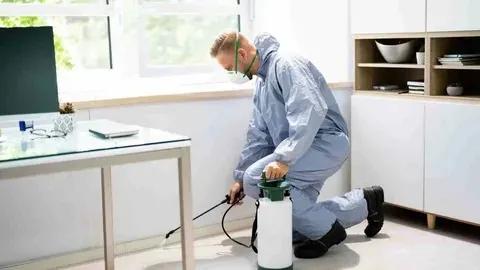
Pest problems are common in Northeast Ohio. The region's cold winters, humid summers, and older housing stock create conditions that attract a wide range of insects and rodents. For many property owners, finding reliable general pest control in Cleveland, Ohio, is less about convenience and more about protecting the structure, safety, and cleanliness of their homes.
This article covers the most common pests found in the area, what professional pest control services typically include, what residents can expect from the treatment process, and how to evaluate a local provider.
Why Pest Infestations Are Common in Cleveland
Cleveland's climate plays a significant role in pest activity. Freezing temperatures push rodents and insects indoors in search of warmth. Spring and summer bring moisture, which supports ant colonies, mosquito breeding, and termite activity. Fall often triggers another wave of pests seeking shelter before temperatures drop again.
Beyond weather, the age of the housing stock matters. Many Cleveland neighbourhoods contain homes built before 1970. These properties often have aging foundations, gaps around utility lines, and deteriorating wood that make entry points easier for pests to find. Even well-maintained homes in established residential areas are not immune.
Common pests reported by Cleveland homeowners include:
Rodents: Mice and rats are year-round problems. They enter through gaps as small as a quarter inch and can cause damage to insulation, wiring, and stored food.
Ants: Pavement ants, odorous house ants, and carpenter ants are all active in the Cleveland area. Carpenter ants are a structural concern because they tunnel through wood.
Cockroaches: German cockroaches are the most frequently reported species in residential settings. They spread quickly and are resistant to many over-the-counter treatments.
Bed Bugs: Bed bug cases have risen in urban areas across Ohio. They spread through travel, secondhand furniture, and multi-unit housing.
Stinging Insects: Yellow jackets, hornets, and wasps build nests near rooflines, in attics, and underground. They pose a health risk, particularly for people with allergies.
Termites: Subterranean termites are active in Ohio and can cause serious structural damage over time without visible warning signs.
What General Pest Control in Cleveland, Ohio, Covers
The term "general pest control" refers to a broad treatment approach that addresses multiple pest types rather than targeting a single species. General pest control in Cleveland, Ohio, typically includes an initial inspection, a treatment plan tailored to the property, and follow-up visits to monitor and maintain results.
A standard service visit usually covers the following:
Interior Treatment: Technicians treat baseboards, entry points, utility penetrations, and areas where pest activity has been observed. Gel baits, liquid treatments, and dusts are applied based on the pest type and location.
Exterior Treatment: A perimeter barrier is established around the foundation. This prevents insects and occasional invaders from entering. Weep holes, window frames, and door sweeps are common focus points.
Crack and Crevice Work: Gaps around pipes, vents, and structural joints are treated and, in some cases, sealed to reduce future entry.
Monitoring Devices: Some providers place glue boards or bait stations to track pest activity between visits.
The frequency of service visits varies. Some households use quarterly programmes. Others require monthly service, particularly in areas with persistent activity or in multi-unit buildings.
What Residents Can Expect During the Process
Professional pest control in Cleveland, Ohio, follows a structured process. Understanding what to expect helps property owners prepare their homes and set realistic expectations for results.
Step 1: Inspection A trained technician inspects the property to identify the pest species, the extent of the infestation, and likely entry points. This step shapes the entire treatment plan. Residents are encouraged to share any observations, including where activity was first noticed and whether the problem is seasonal or ongoing.
Step 2: Treatment. Treatment methods depend on the pest. Rodent programmes often combine exclusion work with bait stations. Insect programmes may involve liquid perimeter treatments, interior spot applications, or baiting systems. Bed bug treatments can require heat remediation or multiple chemical applications over several weeks.
Step 3: Follow-Up A single treatment rarely resolves a moderate to severe infestation. Follow-up visits allow technicians to assess the success of the initial treatment, address any remaining activity, and adjust the approach if needed.
Step 4: Prevention. Reputable pest control services include recommendations to reduce conditions that attract pests. These often include sealing food storage, fixing moisture issues, trimming vegetation near the home, and addressing structural gaps.
Home Pest Control in Cleveland: When to Call a Professional
Many residents attempt to address pest problems with store-bought products before contacting a professional. Over-the-counter sprays and traps can reduce visible pest activity in mild cases, but they rarely address the source of the problem. For recurring infestations, large colonies, or structural pests such as termites and carpenter ants, professional intervention is the more practical path.
Home pest control in Cleveland is most effective when treatment begins early. A small ant trail along a kitchen wall is easier to address than a well-established colony inside a wall void. Similarly, a single mouse spotted in a basement is far less complicated to resolve than a full rodent infestation that has spread through the attic and walls.
Signs that a professional service is warranted include:
Pest activity in multiple rooms or areas
Visible structural damage, such as chewed wood or frass deposits
Repeated failure of over-the-counter treatments
Bites, allergic reactions, or health concerns related to pest exposure
Pest activity in food storage or preparation areas
Choosing a Pest Exterminator in Cleveland
Selecting a qualified pest exterminator in Cleveland requires some research. Ohio requires pest control companies to be licensed through the Ohio Department of Agriculture. Consumers can verify a company's licence status before scheduling service.
Beyond licensing, residents should consider the following:
Experience with Local Pest Types: A provider familiar with Northeast Ohio's specific pest pressures is better positioned to identify and treat problems accurately.
Transparent Service Agreements: Clear communication about what is covered, how often technicians visit, and what happens if the problem persists between visits is a mark of a professional operation.
Written Reports: Quality providers document their findings and treatments in writing so that homeowners have a record of activity and service history.
Integrated Pest Management (IPM): IPM is an approach that combines physical, biological, and chemical methods to manage pests with reduced reliance on pesticides. Many certified providers follow IPM guidelines.
G and G Exterminating: A Local Option for Cleveland Residents
Cleveland residents seeking consistent, professional service have options locally. G and G Exterminating is a pest control provider serving the greater Cleveland area, including residential neighbourhoods throughout the region. The company handles a wide range of pest concerns, from common household insects to rodents and seasonal invaders, using licensed technicians and documented treatment protocols.
For homeowners dealing with recurring pest problems or those scheduling a first professional inspection, G and G Exterminating provides pest exterminator services in Cleveland built around the needs of local properties.
Conclusion
Pest activity is a practical reality for many Cleveland homeowners. Climate, housing age, and seasonal changes all contribute to a pest pressure that does not resolve on its own. Reliable general pest control in Cleveland, Ohio, addresses the full picture: accurate identification, targeted treatment, follow-up monitoring, and guidance on long-term prevention.
Residents who work with licensed, experienced local providers are better positioned to maintain pest-free homes throughout the year. Whether the concern is rodents, ants, bed bugs, or stinging insects, the process starts with a professional inspection and a clear treatment plan.